admin
admin
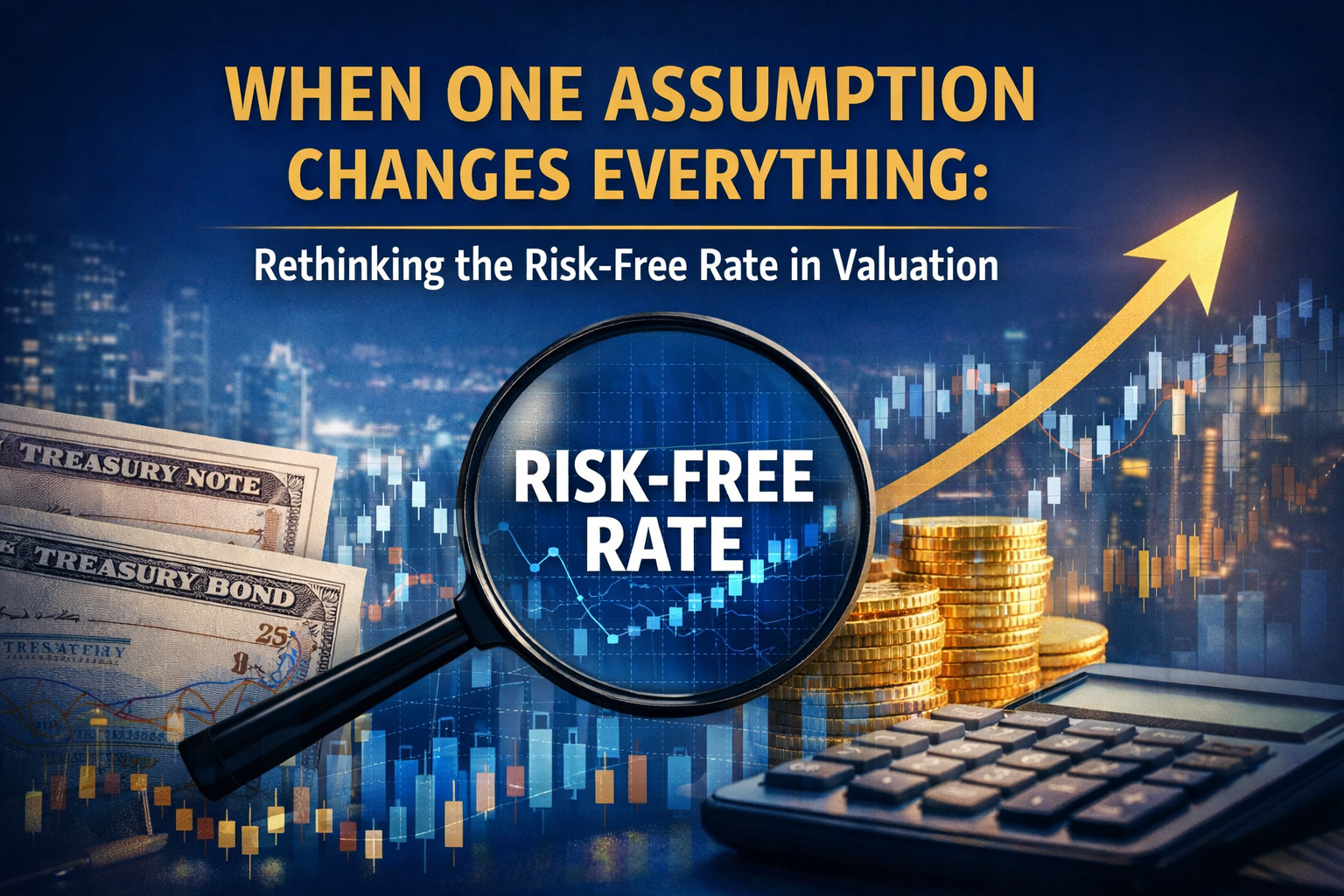
The following are the YTM (Yield To Maturity or Risk Free Rate) on 10 years government bonds of some European and African countries:
Germany. -0.2%
Netherlands. -0.06%
France 0.16%
Denmark 0.08%
Finland 0.02%
Austria 0.03%
Ireland. 0.18%
Slovakia -0.05%
Belgium. 0.12%
Nigeria 12.7%
Ghana. 10.7%
Kenya. 12.9%
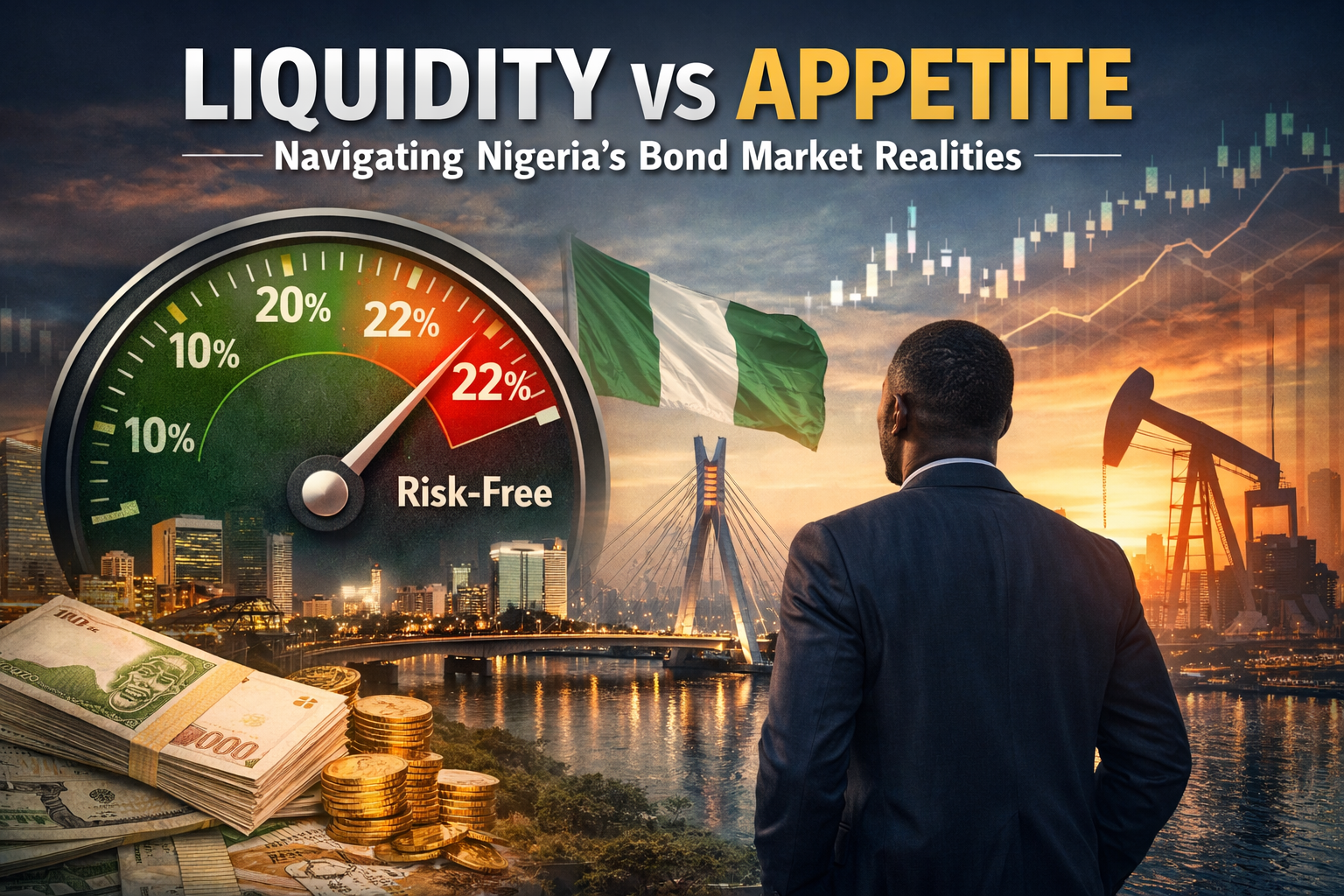
Why do some governments issue securities with a near 0% or even negative risk free rate while others (especially African countries) have a stupendously higher rates above 10%? If you are investing in an economy with negative risk free rate, what is the implication of that? What it means is that you will pay interest on the money you are depositing to buy the government bonds or treasury bills. In most African countries, you cart away with huge interest income when you buy government securities; in fact, the investor receives interest in advance.
What is the rationale behind zero percent or negative risk free rates? This simply means that government is discouraging investors from investing surplus cash in securities, rather to invest it in productive activities such as creating new businesses and expanding existing ones that would ultimately result in more employment and increase in overall national GDP.
Although, government economic policy regarding the issuance and buy back of its own securities for inflation management is clear. Nevertheless, I still recommend the need for African countries to reduce the high risk free rate in order to promote more investment in productive ventures. Individuals and institutional investors, other than those mandated by law to invest in government securities (like insurance companies and pension fund administrators) should channel their investment into real estate, startups, mining et cetera that would improve the economy of the country.